This library covers 146 regular videos and 21 livestreams from the reviewed catalog. Every entry has an original editorial note, its own illustrated source page, and routes into the principles it informs. The synthesis behind those principles draws on the complete channel; this is where each recording receives its reviewed page.
Reviewed span: to · 167 of the channel’s 382 public recordings reviewed so far.
Browse the talks
The source library
Newest first by default. Titles are Joe’s original YouTube titles, with any obvious typo corrected and noted; the short descriptions are this site’s attributed editorial summaries.
Showing 55–72 of 167 recordings
Page 4 of 10 · Each source note links to the original recording on YouTube.
Joe says OMAD can produce progress without a formal exercise program, while still valuing sustainable everyday movement. He favors activity that is repeatable, personally appropriate, and enjoyable over intensity or record-setting.
Joe demonstrates a weekday stack of mushroom and herbal tinctures and describes the effects he attributes to each. The extensive longevity and disease claims are Joe's personal regimen and interpretation, not established by the clip.
Joe describes cordyceps and several plant extracts as occasional performance aids rather than everyday staples. He attributes energy, strength, mood, and attention effects to them, while presenting the regimen through his own experience and claims.
Joe compares his one-plate rule with a Buddhist monastic bowl practice and explains how both constrain quantity and attention. He treats the physical container as a training aid for mindful eating and non-attachment rather than the ultimate goal.
Joe opens with non-attachment and a three-stage account of clarity, cancellation, and reconstruction. The subsequent Q&A connects that framework with fasting beverages, plateaus, and maintenance.
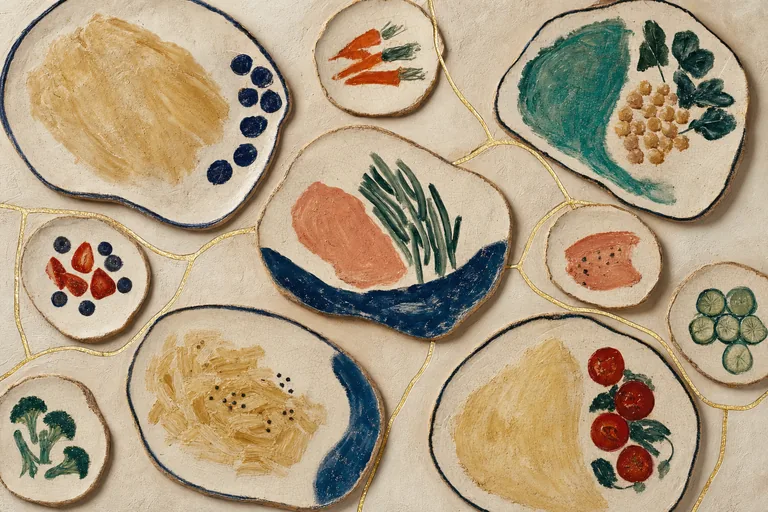
Joe tours several of his own OMAD plates, alternating starch-dominant and protein-dominant meals. He uses the examples to argue for flexibility, personally tolerable foods, and consistency without treating any meal as magical.
Joe argues that OMAD is fundamentally an applied mental discipline rather than a doctrine about ideal foods. Using Buddhist dissatisfaction as his frame, he places controllable meal timing and quantity above attempts to perfect health or diet.
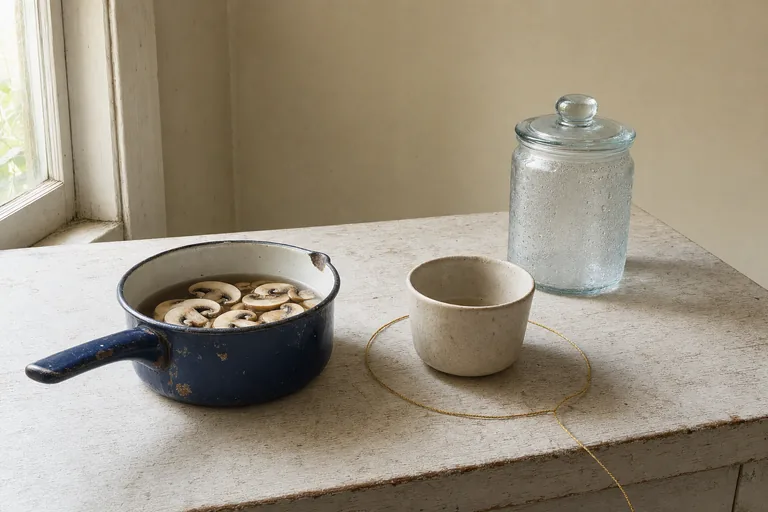
Joe demonstrates a mushroom tea he drinks during fasting and describes the health effects he attributes to it. The clip presents a personal ritual and Joe's own claims, not evidence that those effects are established.
Joe identifies rising food talk, planning, and overconfidence as warning signs before a binge. He defines progress by keeping the structure through adverse and imperfect conditions rather than by feeling effortlessly in control.
Joe argues that meals dominated by carbohydrate, protein, or fat are easier for him to manage than heavily mixed meals. He presents a flexible dominance ratio and personal food tolerances as more useful than rigid elimination.
Joe uses his family holiday meal to contrast abundance-driven overeating with gratitude and restraint. He shows his own one-plate response and argues that the day need not suspend the usual structure.
Joe describes a stable state of mind as one that accepts present conditions and continues through both visible progress and plateaus. He connects foresight about consequences with steadier self-command.
Joe sorts problems into instructional, residual, and core types and argues that identifying the type determines the useful response. He presents recurring limitations as realities to tend rather than proof of failure.
Joe explains the low-oxalate meal changes he made after a kidney stone and presents them as a response to his own susceptibility. The Q&A also covers offered food, fasting beverages, and individual constraints within OMAD.
Joe recounts his kidney-stone recovery and attributes the episode to extreme dietary repetition and inadequate plain water, not OMAD itself. He uses it as an example of revising meal choices while keeping the daily structure.
Joe gives a brief first-person dispatch from an emergency room during a suspected kidney-stone episode. It is a personal update rather than a teaching segment.
Joe argues that desired indulgences carry future upkeep and guilt along with their immediate appeal. He describes changing holiday expectations to weaken a binge cycle and protect the ordinary routine.
Joe walks through a batch-cooked lentil-and-rice meal and argues that long-term stability matters more than allegiance to a macro camp. The short video is a practical meal-prep demonstration.