Editorial source note
More OMAD Meals 02.21.22
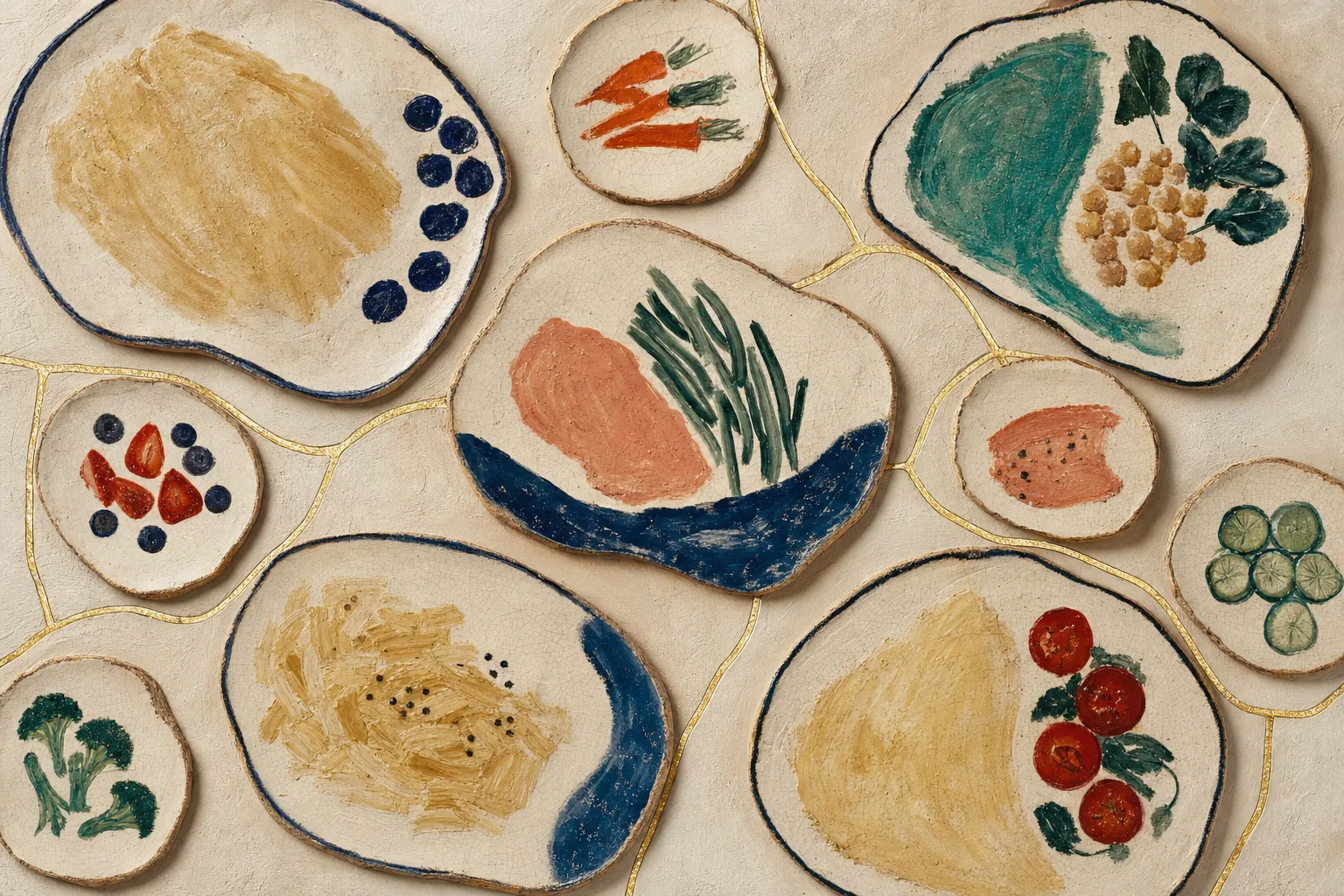
Joe tours several of his own OMAD plates, alternating starch-dominant and protein-dominant meals. He uses the examples to argue for flexibility, personally tolerable foods, and consistency without treating any meal as magical.
Related principles
An editorial summary of views Joe expresses in the linked video. The original recording remains the primary source for his full words and context.
Detailed notes
A closer look at the ideas, examples, and reasoning Joe presents in this recording.
A week of meals without a food identity
Joe uses a sequence of actual plates to show how widely his OMAD meals can vary. Most are foods he regards as low in oxalate or otherwise unlikely to aggravate him, but the tour is not presented as a fixed menu. Its larger subject is flexibility.
From rice and beans to meat-heavy plates
The starch-oriented meals include meatballs with rice and tomato sauce, black-eyed peas, egg noodles, homemade fried rice, and Spanish-style rice with fruit on the side. Joe also shows a fruit-and-rice plate without meat, recognizing that it may leave him hungry sooner. A restaurant meal and fried-steak takeout appear alongside the food prepared at home, though he says frequent restaurant eating is less desirable than cooking for himself.
Other days turn toward protein and fat: sardines over green beans, sausage with mushrooms, a small two-plate meal, a whole rotisserie chicken, and pork with eggs and bacon. Joe calls sardines exceptionally healthy and says chicken offers easy digestion, sustained protein, and quick function despite what he describes as its relatively strong insulin effect. Those nutritional and digestive assessments are Joe’s claims.
One small transition appears inside the meal record. Joe is finishing frozen soy-based imitation meat and declares that he will not buy it again. The leftovers are still part of the week’s plates; changing direction does not require pretending the old food was never there.
Variation is the rule
Joe deliberately alternates large starch-dominant meals with smaller meals dominated by protein and fat. He believes higher-protein food can increase fullness and productivity on some days, while a meatless rice meal may produce more hunger later. Yet neither sensation determines whether the day succeeded. In his structure, the meal ends and the fast continues even when fullness is incomplete.
This is what Joe means by becoming less material about food: neither portion size nor a single macronutrient pattern should become indispensable. Fruit and starch remain available rather than being eliminated, and richer meals remain available without becoming the permanent model. His claims about satiety, insulin, and the effects of different meal compositions are personal nutritional interpretations rather than findings established by the meal tour.
Preference within a boundary
The closing lesson is not indifference to taste. Joe favors foods he genuinely enjoys and rejects forcing an ingredient simply because it has the right reputation. Green beans or cauliflower can replace rice when they fit a person’s tolerances and preferences; rice can remain when it fits better. He similarly treats low-oxalate choices as responses to his own aggravations rather than a demand that every plate share the same ingredients.
Across the week, the stable feature is therefore not chicken, rice, fruit, low carbohydrate, or high carbohydrate. It is the bounded daily occasion. Joe lets the contents move so that satisfaction and practicality can change without turning any one meal into a magical requirement.